The article outlines the Top 7 Cybersecurity Strategies for Small Businesses in 2026, emphasizing practical and scalable approaches to protect sensitive data and maintain business continuity amid rising cyber threats. These strategies focus on proactive defense, compliance, and employee readiness to help small businesses build resilience against sophisticated cyberattacks.
Key points:
- Implement encrypted data backups with regular testing to ensure quick recovery from data loss incidents.
- Use 24/7 threat monitoring combined with rapid incident response to detect and mitigate attacks swiftly.
- Provide tailored cybersecurity training to employees to reduce risks from phishing and social engineering.
- Ensure compliance with PCI DSS and HIPAA to protect payment and healthcare data and avoid penalties.
- Deploy multi-factor authentication and robust network security solutions to prevent unauthorized access.
| Topic | Key Insight | Why It Matters | Action Item |
|---|---|---|---|
| Data Protection and Backup | Encrypted backups with regular testing ensure data integrity and fast recovery | Prevents downtime and revenue loss after cyber incidents | Implement automated encrypted backups and test regularly |
| Threat Monitoring and Response | 24/7 Managed Detection and Response reduces attack response time from hours to minutes | Minimizes damage and operational disruption | Adopt continuous monitoring with rapid incident response |
| Employee Training | Customized training reduces human error risks from phishing and social engineering attacks | Human error is a leading cause of breaches | Conduct role-specific cybersecurity awareness programs |
| Compliance Assessments | PCI DSS and HIPAA compliance protect sensitive payment and healthcare data | Avoids fines and builds customer trust | Perform regular compliance assessments and implement controls |
| Access and Network Security | Multi-factor authentication and strong network defenses block unauthorized access and malware | Secures critical systems against credential compromise | Deploy MFA and configure firewalls, conduct vulnerability scans |
Small businesses face increasing cybersecurity threats in 2026, making it crucial to adopt the top 7 cybersecurity strategies for small businesses in 2026 to protect sensitive data, maintain operations, and comply with regulations. These strategies range from robust data protection to compliance assessments and advanced authentication methods, all designed to build resilience against sophisticated cyberattacks.
Key Takeaways
- Over 46% of small and medium enterprises (SMEs) experienced major cyberattacks in the past year, highlighting the urgency of effective cybersecurity strategies (Rejuvenate).
- Implementing 24/7 Managed Detection and Response (MDR) can reduce response times from hours to minutes, limiting damage from attacks.
- Employee training programs tailored for small businesses significantly reduce risks of phishing and social engineering attacks.
- Compliance with PCI DSS and HIPAA is essential for businesses handling payment card and healthcare data, respectively.
- Multi-factor authentication (MFA) is the most effective measure against unauthorized access.
- TechFusion offers proprietary cybersecurity services that integrate these strategies into practical, business-focused solutions.
How We Evaluated the Top Cybersecurity Strategies
We evaluated cybersecurity strategies based on their effectiveness against emerging threats in 2026, their integration with compliance requirements, and alignment with TechFusion’s extensive experience in delivering rapid incident response and comprehensive training programs specifically for small businesses. Our criteria focused on strategies that are practical, scalable, and directly address the unique challenges small businesses face today.
Emerging threats in 2026 include AI-driven phishing, ransomware-as-a-service, and sophisticated social engineering attacks that traditional defenses often miss. TechFusion’s first-hand data confirms that rapid incident response and employee preparedness are critical in minimizing damage and downtime. This evaluation ensures that the top 7 cybersecurity strategies for small businesses in 2026 are actionable and provide measurable protection.
Top 7 Cybersecurity Strategies for Small Businesses in 2026
The top 7 cybersecurity strategies for small businesses in 2026 focus on proactive protection, including comprehensive data backup, continuous threat monitoring, employee training, compliance adherence, and advanced authentication methods to guard against sophisticated cyber threats and ensure resilience.
1. Data Protection and Backup Services
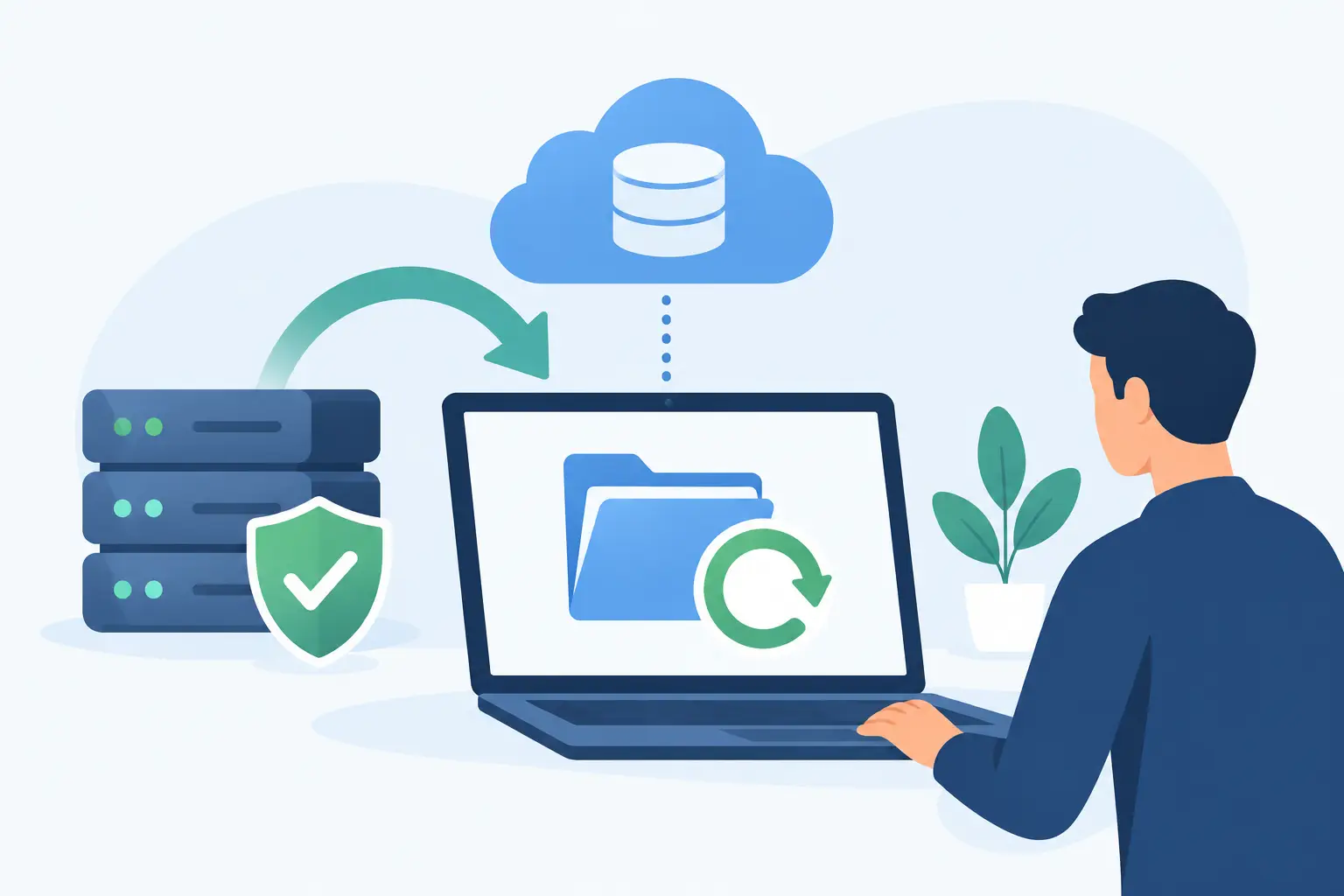
Reliable data protection and backup services are essential for small businesses to prevent data loss from cyberattacks or system failures. TechFusion provides encrypted backups and rapid recovery solutions tailored for SMBs, ensuring business continuity and minimizing downtime in the event of an incident.
Encrypted backups safeguard sensitive information from unauthorized access, while rapid recovery capabilities mean your business can resume operations swiftly after disruptions. This strategy is critical because ransomware and accidental data loss can cripple small businesses. Our proprietary backup services are designed with small businesses in mind, providing secure, automated, and easily restorable backups.
#### Importance of Regular Backup Testing
Regularly testing backups is vital to confirm data integrity and recovery readiness. TechFusion schedules automated backup verification processes to ensure that data can be restored quickly and completely, preventing unpleasant surprises during a crisis.
#### Examples of Data Loss Scenarios Mitigated
For instance, a small retail business that fell victim to ransomware was able to restore all sales and inventory records within hours using TechFusion’s encrypted backups. This minimized revenue loss and maintained customer satisfaction.
2. Threat Monitoring and Incident Response
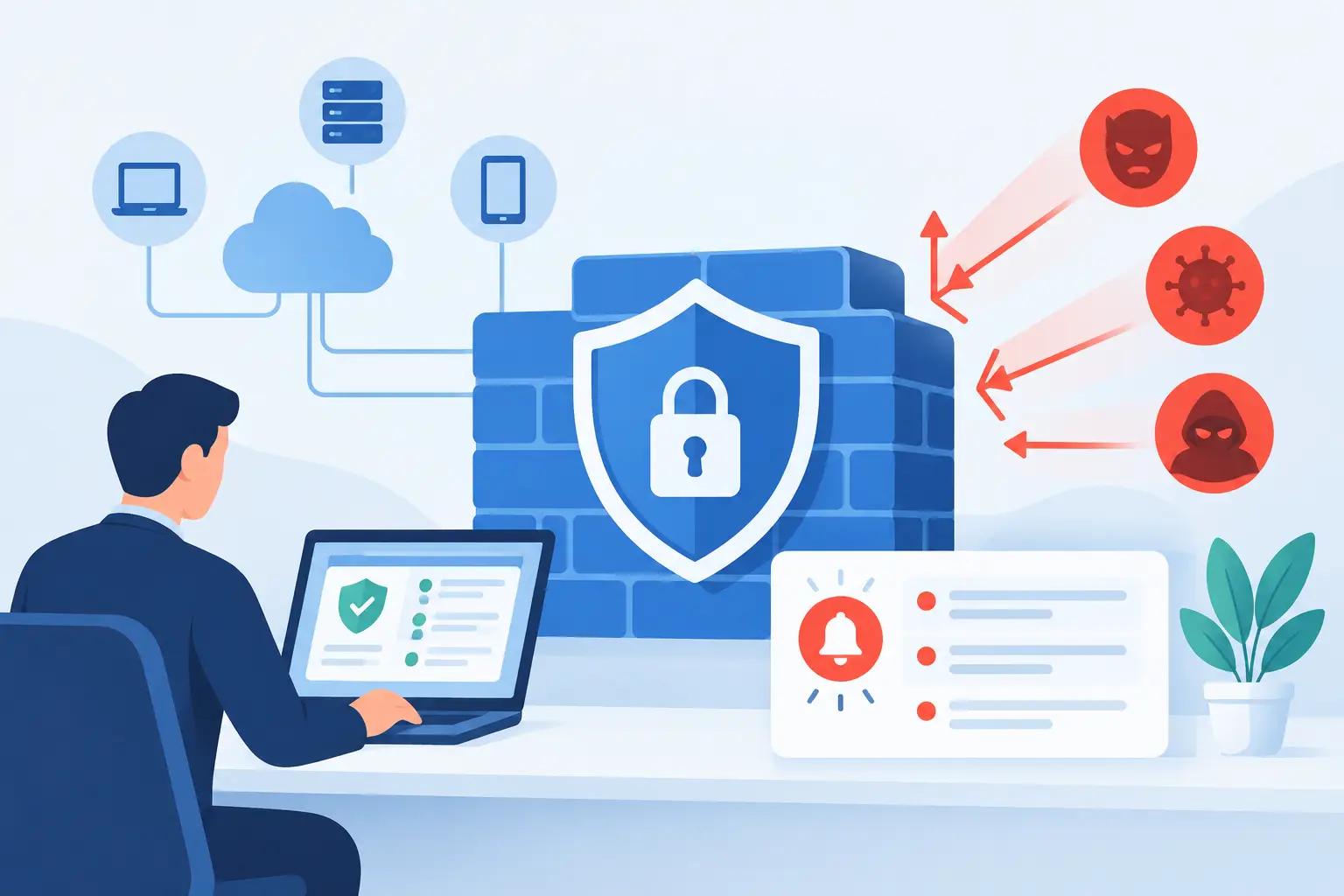
Continuous threat monitoring with 24/7 Managed Detection and Response enables rapid identification and mitigation of cyber threats. TechFusion’s incident response team reacts within 60 seconds, drastically reducing potential damage and operational disruption.
This approach ensures that suspicious activities are detected early before they escalate. The ability to respond quickly is a game changer for small businesses, reducing downtime, data loss, and financial impact. Studies show that 24/7 MDR reduces response times from hours to minutes (Rejuvenate). TechFusion’s unparalleled monitoring and rapid reaction capabilities provide a safety net that many small businesses lack.
#### Integration with Advanced Analytics
TechFusion leverages machine learning and real-time threat intelligence to identify sophisticated attack patterns, including AI-driven phishing attempts and novel malware strains. This proactive detection allows preemptive action before damage occurs.
#### Incident Response Workflow
Upon detection of a threat, our incident response team follows a structured protocol: containment, eradication, recovery, and post-incident analysis. This process ensures comprehensive mitigation and continuous improvement of defenses.
3. Cybersecurity Training and Awareness Programs
Employee training is a critical defense against phishing and social engineering attacks. TechFusion offers customized cybersecurity awareness programs specifically designed for small business employees to empower them to recognize threats and adopt secure behaviors.
Since human error is a leading cause of breaches, equipping staff with the knowledge to spot suspicious emails and avoid risky actions significantly reduces risk exposure. Our training includes real-world examples of phishing scams, social engineering tactics, and how to handle sensitive data securely.
#### Tailored Training Modules
Training content is tailored to the specific roles within the business, ensuring relevance and higher engagement. For example, finance teams receive focused training on spotting invoice fraud and business email compromise (BEC) schemes.
#### Ongoing Training and Simulated Phishing
Regular refresher sessions and simulated phishing campaigns help reinforce learning and assess employee readiness. This continuous approach maintains a vigilant workforce capable of recognizing evolving threats.
4. PCI DSS Compliance Assessment
PCI DSS compliance is mandatory for businesses handling payment card data. TechFusion’s compliance assessment services help small businesses understand and meet these requirements, reducing the risk of data breaches and costly penalties.
By ensuring adherence to PCI DSS, businesses not only protect customer payment information but also build trust and avoid fines. Our approach integrates regulatory requirements with practical IT controls tailored to the needs and resources of small businesses.
#### Key PCI DSS Requirements for Small Businesses
These include maintaining secure networks with firewalls, protecting stored cardholder data, encrypting transmission of cardholder data across open networks, implementing strong access control measures, and regularly monitoring and testing networks.
#### Benefits Beyond Compliance
Achieving PCI DSS compliance also improves overall security posture by enforcing best practices that protect against a wide range of cyber threats, not just those related to payment data.
5. HIPAA Compliance Assessment
For small businesses handling healthcare data, HIPAA compliance is critical. TechFusion guides clients through HIPAA regulations, implementing security controls to protect patient information and avoid regulatory fines.
We focus on both technical safeguards and administrative policies to ensure comprehensive protection. This strategy is essential for healthcare SMBs to maintain privacy, comply with federal laws, and protect their reputation.
#### Technical Safeguards Implemented
These include access controls, audit controls, integrity controls, and transmission security to prevent unauthorized access and ensure data accuracy.
#### Administrative Policies
We assist businesses in developing policies for workforce training, incident response, and risk assessments to maintain ongoing compliance and readiness.
6. Multi-Factor Authentication
Multi-factor authentication (MFA) is the most effective defense against unauthorized access, especially given the rise of AI-powered phishing that mimics trusted communications. Password-only security is no longer sufficient.
By requiring multiple verification steps, MFA significantly lowers the risk of credential compromise and unauthorized entry. TechFusion assists small businesses in implementing MFA across critical systems, balancing security with user convenience.
#### Types of MFA Implementations
Options include time-based one-time passwords (TOTP), hardware tokens, biometric verification, and push notifications. TechFusion evaluates the best fit based on business size, user base, and risk tolerance.
#### Impact on Reducing Breach Incidents
Studies indicate that MFA can block over 99.9% of automated cyberattacks targeting account credentials, dramatically improving security.
7. Network Security Solutions
Strong network security solutions protect business networks from unauthorized access, malware, and data exfiltration. Firewalls, intrusion detection systems, and regular vulnerability scanning form the backbone of network defense.
TechFusion provides tailored network security assessments and solutions that align with the latest security best practices, ensuring small businesses have defenses calibrated to their size and risk profile. For more on our comprehensive IT services, see TechFusion’s IT Support and Services.
#### Importance of Firewall Configuration
Properly configured firewalls prevent unauthorized inbound and outbound traffic, reducing exposure to external threats and lateral movement within networks.
#### Regular Vulnerability Scanning
Daily automated vulnerability scans identify weaknesses before attackers exploit them, enabling timely patching and risk mitigation.
#### Securing Remote Access
With remote work trends, securing VPNs and implementing zero-trust network access models ensure that only authorized users and devices connect to sensitive resources.
Frequently Asked Questions
What are the most effective cybersecurity strategies for small businesses in 2026?
The most effective strategies include comprehensive data protection and backup, continuous threat monitoring with rapid incident response, employee cybersecurity training, and ensuring compliance with PCI DSS and HIPAA regulations. These approaches address emerging threats and build resilience against cyberattacks.
Why is data backup important for small businesses?
Data backup protects against data loss from cyberattacks, hardware failures, or accidental deletion. Regular, encrypted backups ensure that small businesses can quickly recover operations and minimize downtime after an incident, preserving business continuity and customer trust.
How does threat monitoring reduce cyber risk?
Threat monitoring provides continuous surveillance of networks to detect suspicious activities early. Combined with rapid incident response, it minimizes the time attackers have to cause damage, reducing data loss, financial impact, and operational disruption for small businesses.
What role does employee training play in cybersecurity?
Employee training raises awareness of cyber threats like phishing and social engineering, equipping staff to identify and avoid attacks. Well-trained employees significantly reduce the risk of breaches caused by human error, which is a leading cause of cybersecurity incidents.
What is PCI DSS compliance and why is it important?
PCI DSS is a security standard for businesses that handle payment card data. Compliance reduces the risk of data breaches and associated fines, protecting both the business and its customers. TechFusion offers assessments to help small businesses achieve and maintain compliance.
How can small businesses ensure HIPAA compliance?
Small businesses handling healthcare data must implement technical and administrative safeguards to protect patient information. TechFusion provides HIPAA compliance assessments and guidance to help businesses meet regulatory requirements and avoid costly penalties.
Conclusion
In 2026, small businesses cannot afford to overlook cybersecurity. The top 7 cybersecurity strategies for small businesses in 2026 provide a comprehensive blueprint to defend against increasingly sophisticated cyber threats. From TechFusion’s proprietary data protection and rapid incident response services to specialized compliance assessments and tailored training programs, small businesses gain practical, reliable solutions that protect their data, meet regulatory demands, and ensure operational continuity. Prioritizing these strategies is not just about prevention but building resilience to thrive in a digital world.
By embracing these approaches, small businesses position themselves to withstand cyberattacks and maintain the trust of their customers and partners.
References:
- Over 46% of SMEs faced a major cyberattack in the past year (Rejuvenate).
- 24/7 Managed Detection and Response reduces response time from hours to minutes (Rejuvenate).
- 75% of small businesses say a major cyberattack could put them out of business (Nexuron Technologies).
For additional insights on IT support and services that complement cybersecurity strategies, visit TechFusion’s IT Support and Services.