A suspicious login at 6:15 a.m. can quickly become a business-wide problem by 8:00. Employees may be unable to access email, customers may receive fraudulent messages, and leadership may be asked whether company data is exposed. Who responds to cyber incidents in that moment determines how quickly the business regains control – and whether a manageable event becomes a prolonged disruption.
For small and midsize businesses, incident response is rarely one person’s job. It is a coordinated effort among technical specialists, business decision-makers, legal and insurance contacts, and sometimes outside authorities. The right team depends on the incident, but every organization should know who is authorized to act before an alert turns into an emergency.
Who Responds to Cyber Incidents First?
The first responder is often the person or system that detects something unusual. That could be an employee reporting a suspicious email, a security monitoring tool flagging an unfamiliar login, or an IT support team noticing abnormal network activity.
Detection is not the same as diagnosis. An employee does not need to prove that an email is malicious before reporting it. Their responsibility is to raise the concern quickly and avoid clicking, replying, forwarding, or trying to investigate on their own. Early reporting gives the technical team more options to contain the issue before it spreads.
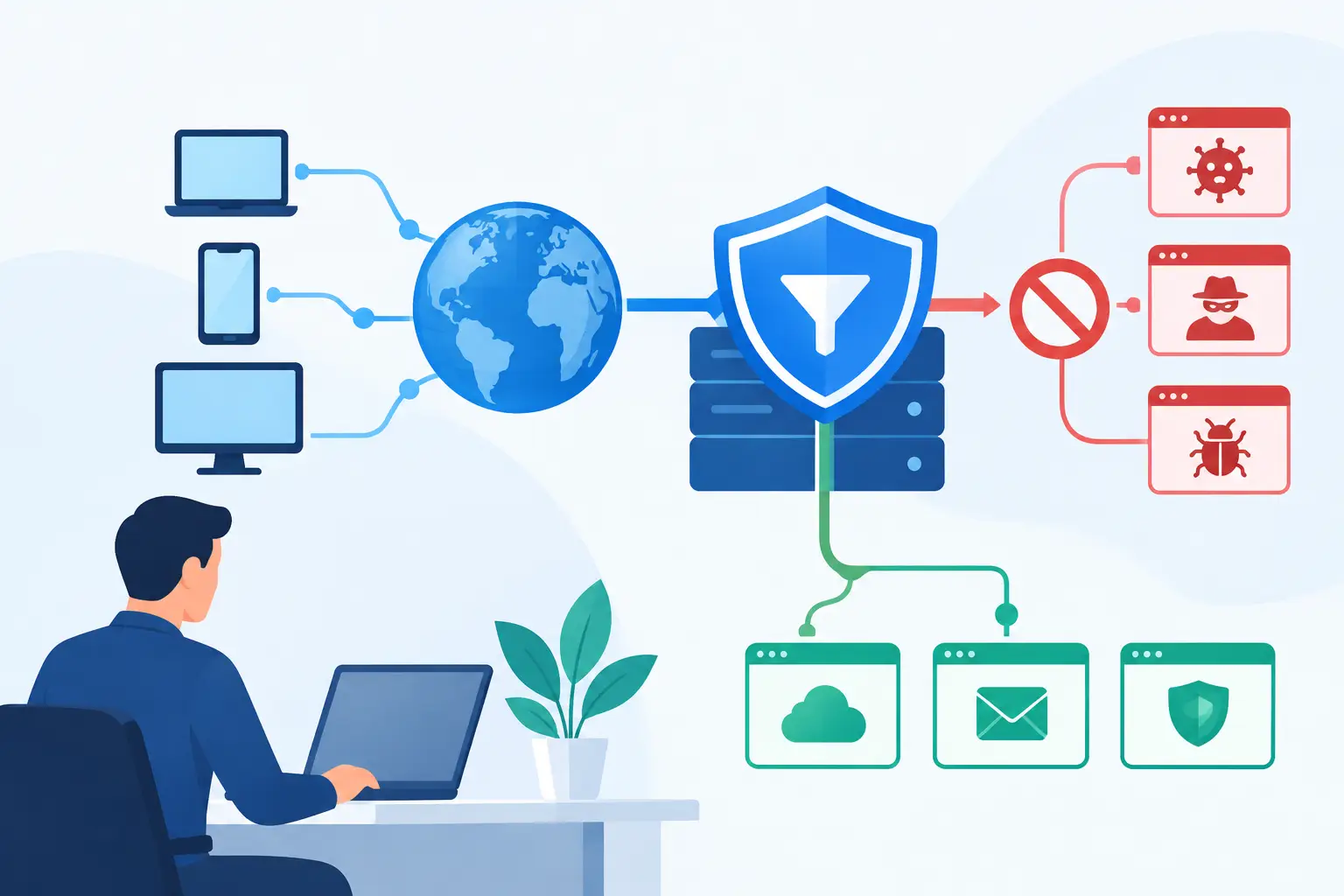
The technical response usually begins with an internal IT administrator, a managed IT provider, or both. Their immediate priorities are to verify the alert, determine what systems or accounts may be affected, and contain the threat without unnecessarily shutting down the business. Depending on the situation, that may mean disabling a user account, isolating a device from the network, revoking active sessions, blocking a malicious domain, or preserving system logs for investigation.
Speed matters, but so does judgment. Taking every affected system offline may stop a threat, yet it can also halt operations. A qualified IT team evaluates the evidence, the business impact, and the risk of further spread before choosing the right containment approach.
The Core Cyber Incident Response Team
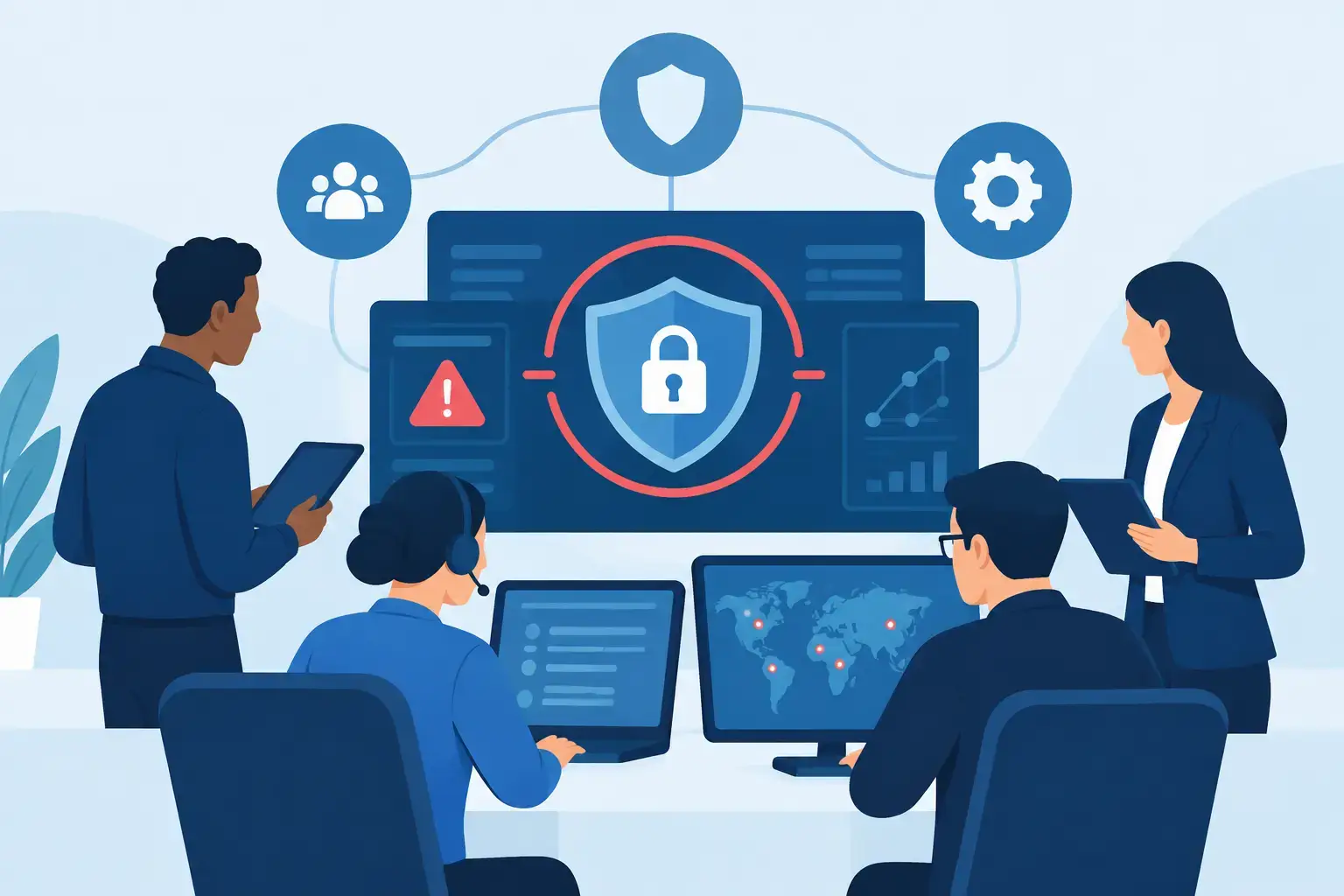
A practical response team is not necessarily large. For many Florida businesses, it includes a few defined roles supported by outside expertise. What matters is that each role has clear authority and knows how to communicate during an incident.
IT and cybersecurity responders
IT responders investigate the technical facts. They identify the affected devices, accounts, applications, and data; preserve evidence; remove malicious access; and restore safe operations. If the event involves ransomware, account compromise, malware, or unauthorized access to cloud systems, this team leads the containment and recovery work.
A managed service provider can fill this role for businesses without a full internal IT department. TechFusion, for example, can serve as an ongoing technology partner that monitors systems, supports users, coordinates recovery, and helps reduce the confusion that comes from calling multiple vendors during an outage.
Executive leadership
Owners and executives make the business decisions that technical teams should not make alone. They may decide whether to pause a business process, approve emergency spending, engage outside counsel, notify key clients, or activate an alternate work arrangement.
Leadership should appoint one incident decision-maker in advance. When several people issue conflicting instructions, the response slows down and employees receive mixed messages. The designated leader does not need to be a cybersecurity expert. They need a clear view of the business priorities and direct access to the people investigating the incident.
Operations and department leaders
Operations leaders explain what cannot be interrupted without affecting customers, revenue, safety, or compliance. They can identify critical applications, manual workarounds, vendor dependencies, and deadlines that the IT team may not see from a technical dashboard.
For example, a medical office, professional services firm, distributor, and construction company may all treat a compromised email account differently because their workflows, records, and contractual obligations differ. Operations leaders help the response stay connected to real business consequences.
Employees and managers
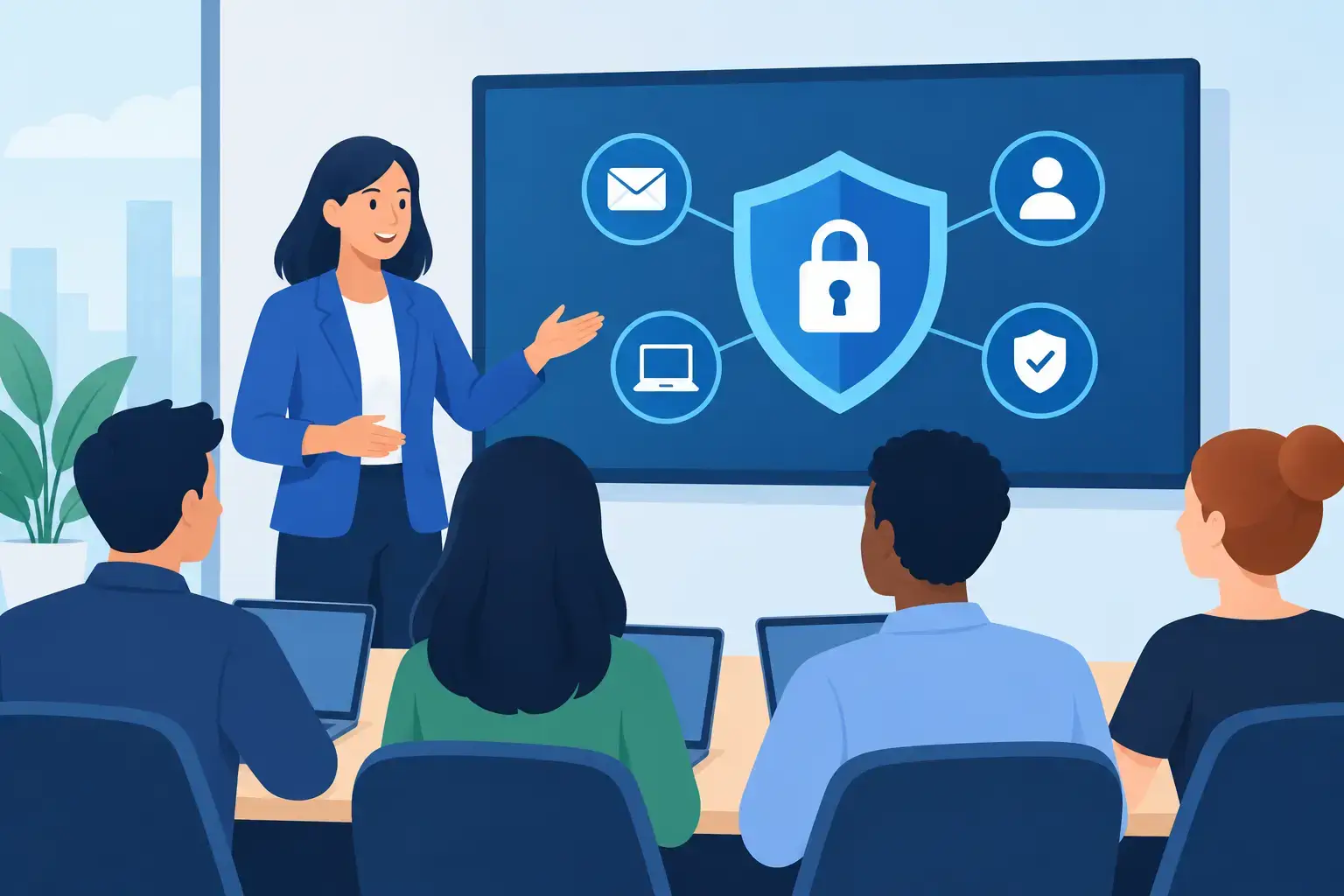
Employees are essential to response, even though they should not be expected to perform forensic work. They may need to stop using a device, reset a password, report messages sent from a compromised account, or follow instructions for a temporary communications process.
Managers should communicate only approved information to their teams. Rumors and informal updates can create unnecessary concern, especially when an investigation is still underway. Clear instructions such as “do not use this application until further notice” are more useful than technical speculation.
Outside Partners May Need to Respond Too
A cyber incident can extend beyond the company’s IT environment. Depending on the facts, your response team may need outside support from cyber insurance providers, attorneys, forensic specialists, software vendors, banks, or law enforcement.
Cyber insurance carriers often require prompt notice and may specify which breach counsel, forensics firm, public relations resource, or recovery vendor must be used. Calling an unapproved provider before reviewing the policy can create coverage issues. Keep the policy number, claims contact, and reporting requirements accessible outside the company network.
Legal counsel helps assess notification obligations, contractual duties, privacy requirements, and communications with affected parties. This becomes especially important if personal information, protected records, payment data, or confidential client information may have been accessed. The technical team can explain what happened; counsel helps determine what the organization is required to disclose and when.
Your bank or payment processor may need to respond if there is suspected wire fraud, fraudulent payments, or compromised payment credentials. Time is critical in these situations. A fast call to the bank can sometimes stop or recall a transfer, while waiting for a complete technical investigation may cost valuable hours.
Law enforcement may be appropriate for certain crimes, particularly ransomware, financial fraud, extortion, or repeated unauthorized access. However, law enforcement involvement does not replace technical containment, legal guidance, or recovery planning. It is one part of a wider response.
What Each Person Should Do in the First Hours
The first hours of an incident should be organized around a simple goal: contain the risk, preserve the facts, and keep essential business functions moving where possible. This is not the time for blame or improvisation.
Employees should report suspicious activity immediately through the designated channel. They should avoid deleting emails, restarting a suspicious device, or attempting to “clean up” files unless directed by IT. Those actions can erase useful evidence or worsen the spread of malware.
IT responders should document when the issue was discovered, which systems are involved, what actions were taken, and what evidence supports each conclusion. Good documentation helps with recovery, insurance claims, legal review, and future improvements. It also prevents teams from repeating work during a stressful event.
Leadership should establish a communication cadence. A short update every hour may be appropriate during a serious outage, while a contained phishing incident may require only targeted updates. The point is to ensure that employees, clients, and vendors hear accurate information from the right source.
Build the Response Plan Before You Need It
A response plan should be practical enough to use under pressure. A lengthy document buried in a shared drive is not enough, particularly if that drive becomes unavailable during an attack.
At minimum, the plan should identify the incident leader, IT and cybersecurity contacts, cyber insurance details, legal counsel, critical vendors, and a method for communicating if email or phone systems are affected. It should also define who can authorize actions such as shutting down systems, restoring data from backups, paying emergency vendor invoices, or notifying customers.
Testing is where plans become useful. A short tabletop exercise can reveal gaps quickly: Does anyone know how to reach the insurance carrier after hours? Can the business operate if Microsoft 365 access is interrupted? Are backup credentials separate from everyday user accounts? Does the payroll provider have an emergency contact process?
The answers will vary by business, which is why incident response should reflect your actual technology, vendors, data, and operational priorities rather than a generic checklist.
A Strong Response Is a Business Capability
Cybersecurity is often discussed as a collection of tools, but response is ultimately a people-and-process capability. Security software can issue an alert. Backups can support recovery. Yet people still need to decide what the alert means, who needs to know, what operations can continue, and how to restore confidence with employees and customers.
The best time to determine who responds is before the suspicious login, fraudulent invoice, or ransomware note appears. Give your team clear roles, keep outside contacts current, and practice the decisions that protect both your systems and your ability to serve customers when pressure is highest.