A single compromised laptop can interrupt payroll, expose client records, lock down shared files, or give an attacker a path into the rest of your network. The best endpoint protection tools help small and midsize businesses prevent that disruption by protecting the computers, servers, and mobile devices employees rely on every day.
For a business leader, the goal is not to collect another security product. It is to reduce risk without creating more work for employees or internal staff. The right platform should detect suspicious behavior, stop threats quickly, give your IT partner useful visibility, and support recovery when something goes wrong.
What Endpoint Protection Should Do for Your Business
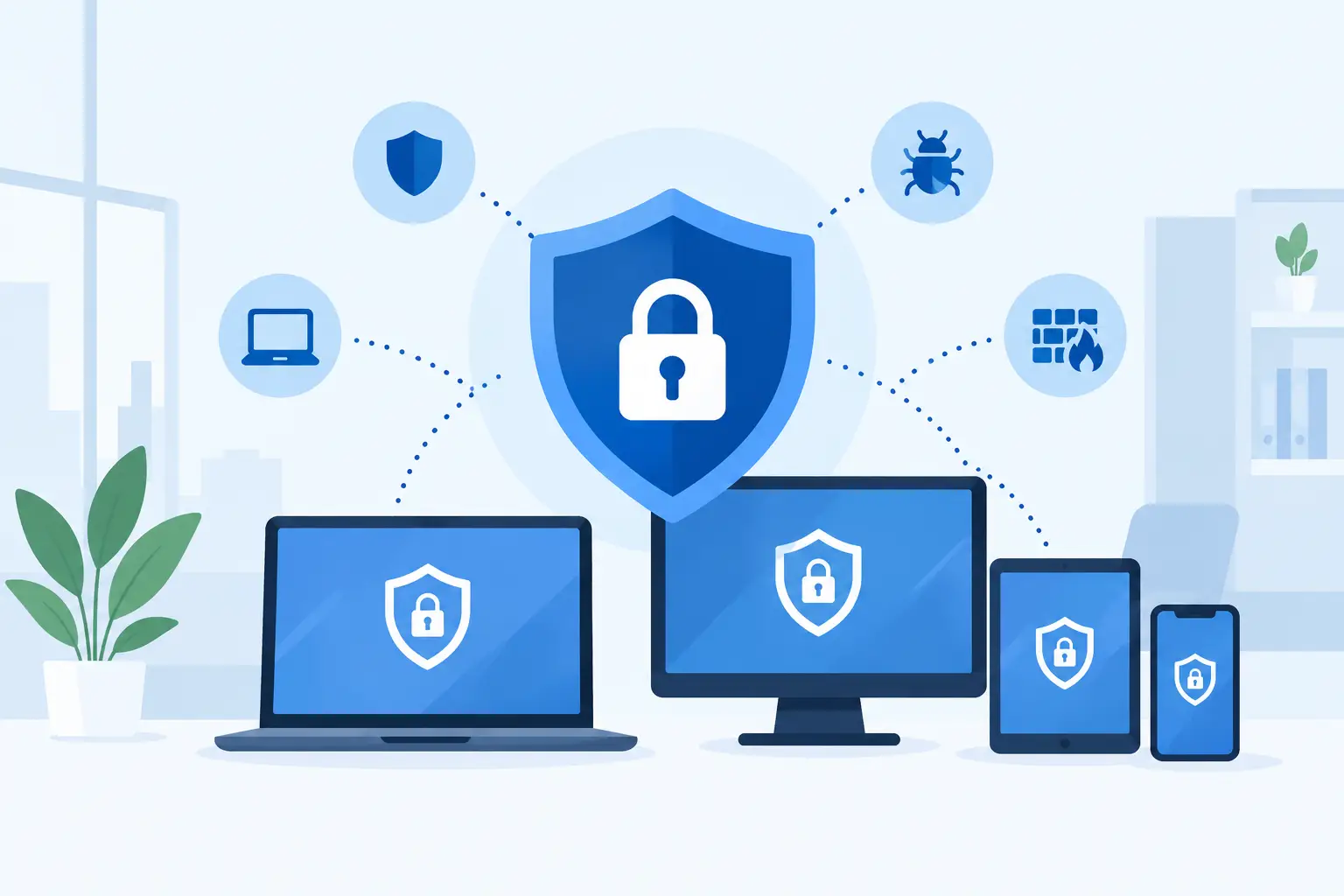
Endpoint protection secures devices that connect to your business systems, including desktops, laptops, servers, and sometimes mobile devices. Traditional antivirus focuses largely on known malicious files. Modern endpoint protection adds behavioral detection, device isolation, ransomware defenses, vulnerability visibility, and investigation tools.
Many platforms now include endpoint detection and response, commonly called EDR. EDR records activity on a device and looks for signs of an active attack, such as unusual credential use, suspicious PowerShell commands, or ransomware-like file encryption. If a device is compromised, your security team can isolate it from the network while keeping the rest of the business operating.
That distinction matters. A security alert is only useful if someone understands the risk, investigates it promptly, and takes the right action. For most SMBs, endpoint protection works best as part of an actively managed cybersecurity service, not as software left unchecked in an admin portal.
10 Best Endpoint Protection Tools for SMBs
No product is best for every organization. The right choice depends on your existing Microsoft environment, device count, compliance requirements, budget, and whether you have a qualified team monitoring alerts. These tools are widely considered strong options for business endpoint security.
1. Microsoft Defender for Business
Microsoft Defender for Business is a practical choice for companies already using Microsoft 365. It brings next-generation antivirus, EDR capabilities, threat and vulnerability management, and automated investigation into a familiar ecosystem.
Its strongest advantage is integration. Businesses using Microsoft Entra ID, Intune, and Microsoft 365 can apply security policies and review activity with less tool sprawl. It is especially appealing for organizations that want to standardize on Microsoft licensing. However, configuration and alert tuning still matter. Out-of-the-box protection is not the same as an actively managed security program.
2. Huntress Managed EDR
Huntress is designed with managed service providers and smaller IT teams in mind. Its managed EDR approach combines technology with human threat hunting, helping identify persistent threats that can be missed by automated controls alone.
This can be a strong fit for businesses that want a more hands-on security response without building an internal security operations center. Huntress is often paired with Microsoft Defender, rather than viewed as a replacement for every antivirus function. That layered model can provide meaningful coverage, but it requires clear ownership between the software provider and the IT team managing the environment.
3. SentinelOne Singularity
SentinelOne is known for behavioral AI-driven detection and fast response capabilities. It can identify malicious activity based on what a process does, not just whether a file matches a known threat signature. Its device isolation and remediation features are valuable when speed matters.
For companies with remote users, sensitive data, or a higher concern about ransomware, SentinelOne can be a compelling option. The trade-off is that it can be more sophisticated than a small business needs if nobody is reviewing alerts and maintaining policy settings. It is strongest when paired with a managed detection and response service.
4. Sophos Intercept X
Sophos Intercept X combines endpoint protection, anti-ransomware tools, exploit prevention, and EDR functions. It is often considered by businesses that want a security platform with a broad set of features and centralized administration.
Sophos can make sense when a company already uses Sophos firewalls or other Sophos products, since coordinated security controls can improve visibility. It also offers managed detection and response options. Before selecting it, confirm the licensing level includes the features your business actually needs, particularly managed response and advanced investigation tools.
5. CrowdStrike Falcon
CrowdStrike Falcon is a cloud-native endpoint security platform with a strong reputation in larger and more security-conscious environments. Its detection capabilities, threat intelligence, and managed options can be valuable for businesses with complex operations, compliance demands, or distributed workforces.
For many SMBs, CrowdStrike may be more capability and cost than necessary. That does not make it a poor choice. It simply means the decision should be based on your risk profile and the support available to manage it. A company handling regulated information may reasonably choose a higher-tier platform, while a smaller office may get better value from Defender for Business with managed monitoring.
6. Bitdefender GravityZone
Bitdefender GravityZone is a flexible business security platform that offers prevention, detection, and response features across Windows, macOS, Linux, and virtual environments. It is frequently considered by organizations that want strong protection with granular policy controls.
Its cross-platform support can be useful for businesses with a mix of computers and specialized systems. As with other feature-rich platforms, setup requires attention. Overly aggressive settings can interrupt legitimate applications, while loose settings can leave gaps. Testing policies before a company-wide rollout helps prevent unnecessary employee disruption.
7. Malwarebytes for Business
Malwarebytes for Business offers endpoint protection with a straightforward interface and malware remediation capabilities. It can be a reasonable fit for smaller organizations that need an improvement over consumer-grade antivirus and want an approachable management experience.
It is worth reviewing the specific service tier carefully. Businesses that need around-the-clock alert review, deeper forensic information, or advanced EDR workflows may need additional services beyond core endpoint protection. The product can be part of a sound security stack, but it should not be the only answer to phishing, identity attacks, or unpatched systems.
8. ESET Protect
ESET Protect is a long-standing endpoint security option that can work well for organizations seeking reliable malware prevention and centralized management. It supports a range of operating systems and offers additional modules for EDR, encryption, and cloud-based administration.
ESET may appeal to businesses that value lighter system impact, especially where older hardware or specialized line-of-business applications are in use. The key question is whether its selected package delivers the response visibility your business needs, not just baseline antivirus coverage.
9. Cisco Secure Endpoint
Cisco Secure Endpoint, formerly AMP for Endpoints, is built for organizations that want endpoint security connected to a broader network and security ecosystem. It can provide useful visibility into how threats move across devices, email, and network infrastructure.
This option often makes more sense for businesses already invested in Cisco networking or security products. A smaller office with simple needs may find the platform more complex than necessary. For a growing organization with multiple locations and established Cisco infrastructure, the integration may justify the added depth.
10. WatchGuard Endpoint Security
WatchGuard Endpoint Security can be a good consideration for companies that already use WatchGuard firewalls. Its endpoint tools are designed to work within a broader security approach, helping IT teams coordinate network and device-level protection.
The value is often strongest when firewall, endpoint, and monitoring policies are managed together. That coordination can reduce blind spots, but only if the environment is reviewed regularly. A firewall cannot compensate for an unmanaged laptop, and endpoint software cannot solve a poorly secured network on its own.
How to Choose the Right Tool
The best decision starts with your operating reality, not a feature checklist. Consider four practical questions:
- Do you need protection for Windows only, or also Macs, servers, mobile devices, and remote employees?
- Who will review alerts after business hours and decide whether to isolate a device?
- Does the platform fit your current Microsoft 365, firewall, identity, and device-management tools?
- Can the solution scale as you add employees, locations, cloud applications, or compliance obligations?
Also ask what happens after detection. Ransomware prevention, endpoint isolation, and rollback features are helpful, but business continuity depends on more than endpoint software. Reliable backups, multi-factor authentication, patching, least-privilege access, employee phishing training, and a tested incident response plan all play a role.
Endpoint Protection Needs Ongoing Management
Installing an agent on every computer is only the first step. Devices need to be enrolled correctly, exclusions must be reviewed, operating systems patched, and alerts investigated in context. A legitimate accounting application may trigger unusual behavior. A quiet alert on an executive laptop may signal a serious account compromise. Technology alone cannot make those judgments consistently.
For businesses across Tampa Bay and Central Florida, TechFusion helps connect endpoint protection to the rest of the IT environment, including device setup, user onboarding and offboarding, backup, network management, and responsive support. That connected approach helps security controls support productivity instead of becoming another disconnected tool.
Choose a platform your business can actively manage, not merely afford. The most valuable endpoint protection is the one that is monitored, maintained, and ready to support a fast, informed response when a real threat appears.