
A missed customer call is rarely just a missed call. It can become a delayed service request, an unanswered sales question, or an employee scrambling to use a personal cell phone. Reliable business phone system support gives your team a clear path when calls fail, audio quality drops, voicemail stops working, or a provider points to someone else for answers.
For small and midsize businesses, phones are not separate from daily operations. They rely on the same internet connection, network equipment, user accounts, mobile apps, and vendor relationships that support the rest of the business. That is why phone support should focus on more than fixing a handset. It should protect the ability to communicate with customers and keep employees productive.
What Business Phone System Support Should Cover
A modern business phone system may include desk phones, softphone applications, mobile calling, voicemail-to-email, auto attendants, call queues, conference calling, and integrations with customer relationship management tools. Each feature can make communication easier, but each adds another point that needs to be configured, monitored, and supported.
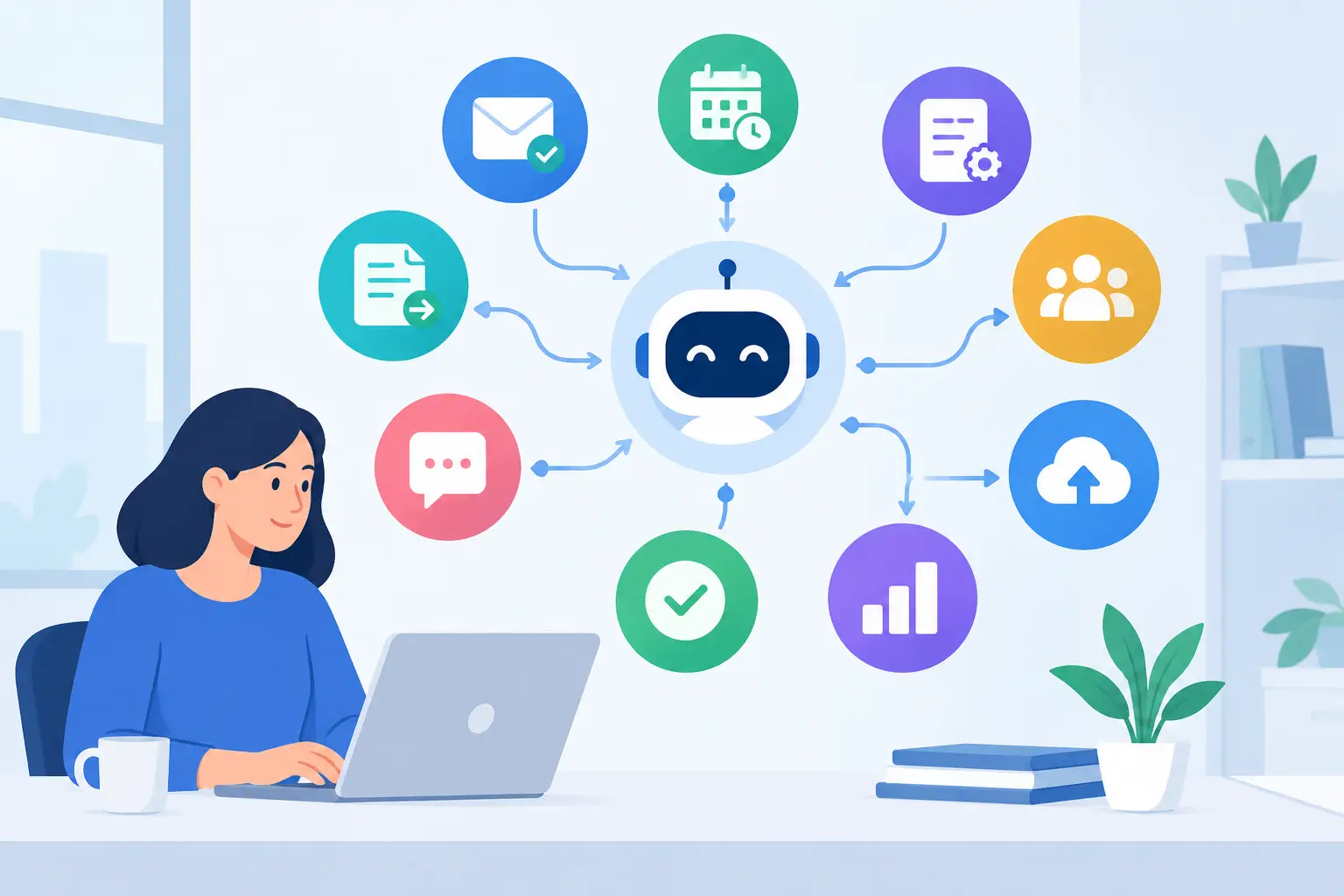
Effective support begins with ownership. When an employee cannot place or receive calls, they should not have to decide whether to call the internet provider, phone carrier, equipment vendor, or software company. A dependable technology partner investigates the issue, identifies the likely cause, and coordinates the right vendor when outside action is required.
That support should also cover ordinary changes. New hires need extensions, voicemail, calling permissions, and the right applications before their first day. Departing employees need their accounts removed or reassigned so calls and messages do not disappear into an unused mailbox. Departments may need new call groups, updated holiday schedules, or a revised auto attendant as the business changes.
These are small tasks individually, but neglected changes add up. Customers reach the wrong person. Employees miss messages. Former workers retain access. A system that once helped the business look organized starts creating friction instead.
Why Phone Problems Often Start Outside the Phone
When call quality becomes inconsistent, replacing phones may not solve anything. Voice calls are sensitive to delay, packet loss, bandwidth limits, and network congestion. A network that handles email and web browsing adequately can still struggle when several employees are on voice and video calls at once.
Wireless coverage is another common factor. A mobile softphone app may appear unreliable when the real problem is a weak Wi-Fi signal in part of the office. Likewise, call issues can trace back to a failing firewall, an incorrectly configured router, aging switches, or an internet service interruption.
This is where a broader IT perspective matters. Phone support is stronger when the same team understands the business network, internet connection, devices, and security requirements. Instead of treating a call-quality complaint as an isolated ticket, they can look at the full path the call takes.
There are trade-offs. A cloud phone platform can reduce dependence on an on-site phone server and make remote work easier, but it also increases reliance on stable internet access. A traditional on-premises system may give a business more local control, but it can require specialized maintenance and make remote changes more difficult. The right model depends on your calling volume, locations, security needs, budget, and tolerance for disruption during an internet outage.
The Questions to Ask Before You Need Help
The best time to assess support is before an outage turns into a customer-service problem. Business leaders do not need to become phone experts, but they should know who owns the system and what response to expect.
Ask whether your support provider can handle both user issues and the underlying technology. Clarify whether they will coordinate with the phone carrier and internet provider, rather than simply handing your team a support number. Find out how urgent outages are prioritized and how employees report issues after normal business hours.
It is also useful to ask what documentation exists. Your business should have current records of extensions, call flows, administrator access, vendor contacts, and emergency procedures. If nobody knows how calls are routed or who controls the account, even a straightforward change can take longer than it should.
For businesses with reception, service departments, appointment scheduling, or high inbound sales volume, call routing deserves particular attention. The auto attendant should be simple for callers to follow. Queues should send callers to available employees without creating long waits. Overflow rules should account for lunch breaks, meetings, holidays, and unexpected absences.
A phone system is not working well just because it has a dial tone. It is working well when callers consistently reach the right person and employees can respond without wasting time on workarounds.
A Practical Approach to Business Phone System Support
A reliable support process combines preparation with responsive help. First, the system should be reviewed to understand how calls enter the business, where they are routed, which users have administrative permissions, and what depends on the phone platform.
Next, the network should be assessed for voice traffic. This may include checking available bandwidth, testing call quality, reviewing Wi-Fi coverage, and confirming that network settings give voice traffic appropriate priority. If the office uses multiple locations or remote employees, the review should include how each group connects and where weak points may exist.
From there, routine management keeps the system aligned with the business. That includes user changes, software updates, call-flow revisions, device replacements, and periodic review of unused accounts or features. A growing company may need additional lines or queue capacity. A company with a more distributed workforce may need better mobile calling policies and support for home-office connectivity.
Finally, there should be an outage plan. Internet interruptions happen, even with a quality provider. Your plan might include forwarding primary numbers to designated mobile devices, providing alternate internet connectivity, publishing internal communication steps, and identifying who can approve emergency changes. The right plan is not identical for every business. A medical office, law firm, property management company, and field-service business each have different priorities when calls cannot reach the office.
Security and Continuity Belong in the Conversation
Phone systems contain more business information than many leaders realize. Voicemail messages can include customer details, payment questions, appointment information, and sensitive internal discussions. Administrative portals may allow someone to change call forwarding, add users, view call records, or modify greetings.
Support should include access management. Employees should have only the permissions they need, and administrator accounts should be protected with strong credentials and multifactor authentication where available. When employees leave, their access should be removed promptly while their extension and voicemail are handled according to company policy.
Continuity also matters during severe weather, power loss, or office access issues. Florida businesses know that an office may be temporarily unavailable while customers still expect answers. Cloud-based calling, mobile applications, remote call forwarding, and documented procedures can help a team continue serving customers from another location. Those tools only help, however, if they are configured and tested before they are needed.
When It Is Time to Reevaluate Your Phone Setup
Frequent complaints about dropped calls, poor audio, confusing transfers, or missed voicemails are clear warning signs. So are recurring vendor disputes, extensions that are never updated, and employees relying on personal phones because the company system is difficult to use.
A reevaluation may lead to a repair, a network improvement, a configuration change, or a full platform replacement. Not every issue requires new technology. If the platform meets the business’s needs, targeted support and better management may be the most cost-effective answer. If the system cannot support remote work, current call volume, security expectations, or needed integrations, replacement may be justified.
The goal is not to buy the most complicated phone system. It is to give your people dependable communication tools and give customers confidence that reaching your business will be easy.
TechFusion helps Central Florida businesses manage phone and internet issues alongside the networks, devices, security, and user support that keep daily operations moving. That connected approach reduces handoffs and gives your team one accountable resource when communication matters.
The next time you review your technology priorities, listen closely to how your employees and customers experience your phones. A well-supported system is often quiet in the best way: calls reach the right people, changes happen without disruption, and your team can stay focused on the work customers count on.