
Key takeaways
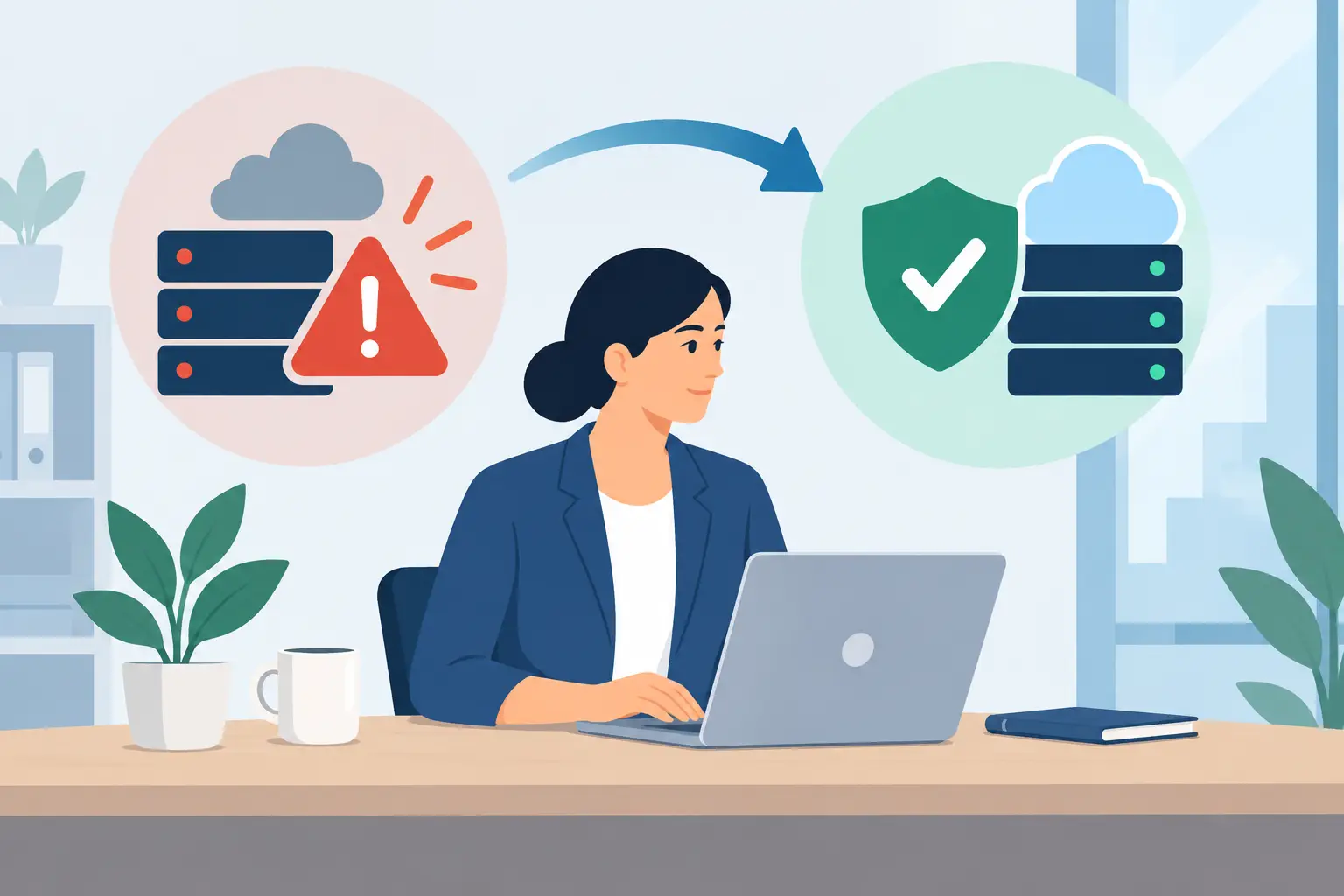
Leveraging cloud services strategically is crucial for driving business growth in 2026, enabling companies to achieve flexibility, cost efficiency, and innovation aligned with their specific goals. How to Leverage Cloud Services to Drive Business Growth in 2026 involves adopting hybrid and multicloud strategies, optimizing costs, prioritizing security, and embracing emerging trends like AI and edge computing.
Key points:
- Assess business needs and set clear goals before cloud adoption to ensure alignment with growth objectives.
- Use hybrid and multicloud approaches to enhance flexibility, avoid vendor lock-in, and meet compliance requirements.
- Implement cost management practices like pay-as-you-go pricing, workload optimization, and continuous monitoring.
- Prioritize security and compliance through encryption, access controls, and ongoing threat monitoring.
- Embrace emerging technologies such as AI workloads, edge computing, and serverless architectures to stay competitive.
| Topic | Key Insight | Why It Matters | Action Item |
|---|---|---|---|
| Cloud Transformation Strategy | Tailored strategies aligned with business goals drive successful cloud adoption | Ensures cloud investments deliver measurable business outcomes | Conduct readiness assessments and define clear objectives |
| Hybrid and Multicloud Approaches | Combining multiple cloud environments increases flexibility and resilience | Avoids vendor lock-in and optimizes workload performance | Design architectures that integrate public and private clouds |
| Cost Management | Monitoring and optimizing cloud usage prevents overspending | Maximizes return on cloud investments | Use cloud cost tools and set budgets with alerts |
| Security and Compliance | Strong controls and continuous monitoring protect data and meet regulations | Maintains trust and avoids costly breaches or penalties | Implement encryption, access controls, and regular audits |
| Emerging Cloud Trends | AI, edge computing, and serverless models enable faster insights and agility | Keeps businesses competitive and supports innovation | Explore and adopt relevant cloud-based AI and edge solutions |
To drive business growth in 2026, companies must strategically adopt cloud services that align with their specific goals. This means leveraging scalable infrastructure, embracing hybrid and multicloud environments, and prioritizing security and cost efficiency. TechFusion’s client-first approach ensures each cloud initiative delivers real-world business outcomes, not just technology upgrades. In this guide, I’ll share how to leverage cloud services to drive business growth in 2026 and reveal practical steps, trends, and proven strategies based on what we see every day at TechFusion.
Key Takeaways
- Strategic cloud adoption is essential for growth, flexibility, and resilience in 2026.
- Hybrid and multicloud strategies help avoid vendor lock-in and optimize performance.
- Pay-as-you-go pricing and cost monitoring are critical for ROI.
- Security and compliance remain top priorities.
- AI workloads and edge computing shape the future of the cloud.
- TechFusion, Inc. delivers managed IT support and tailored cloud transformation to drive real business outcomes.
How to Leverage Cloud Services to Drive Business Growth in 2026
> To drive business growth in 2026, companies must strategically adopt cloud services that align with their specific goals. This means leveraging scalable infrastructure, embracing hybrid and multicloud environments, and prioritizing security and cost efficiency. TechFusion’s client-first approach ensures each cloud initiative delivers real-world business outcomes, not just technology upgrades.
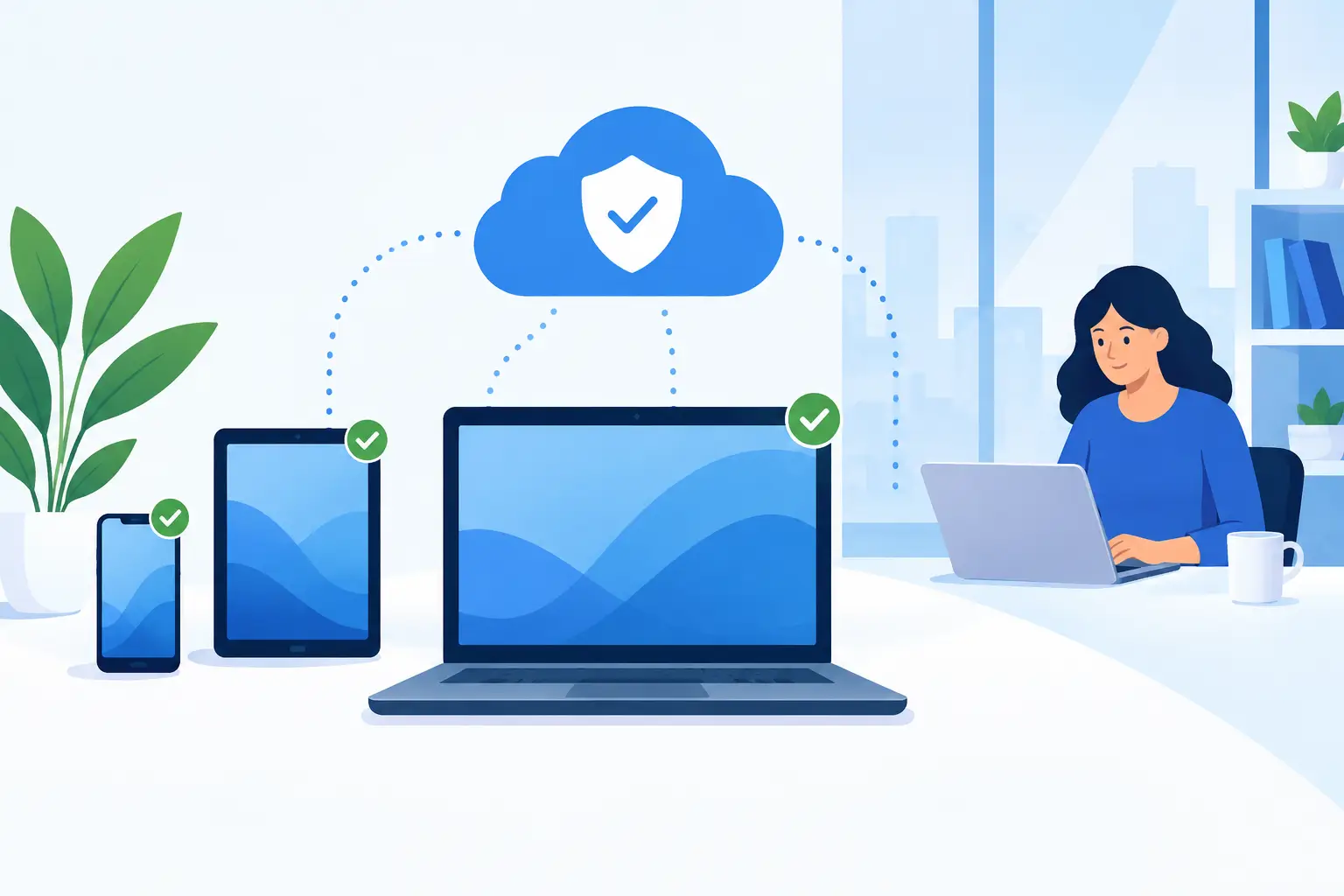
Cloud services in 2026 cover a broad range of technologies, from basic infrastructure to advanced AI solutions. Cloud computing means delivering IT resources—such as servers, storage, networking, software, and analytics—over the internet, allowing businesses to scale up or down instantly as needs change. This flexibility lets companies avoid costly hardware investments and gain access to the latest tools without long-term commitments.
The global cloud market is expected to exceed $1 trillion by 2028 (CloudZero, 2024-01-01). More than 90% of organizations are already using cloud services (Gartner, 2023-01-01), making the cloud the foundation for digital business growth. For us at TechFusion, leveraging cloud services means more than just technology—it’s about aligning solutions with real business goals, whether that’s scaling to reach new markets, improving collaboration, or safeguarding critical data. Learn more about our managed IT services in the US that support these goals.
Cloud Service Models Explained
Cloud services are typically consumed through three primary models, each supporting business growth in different ways:
- Infrastructure as a Service (IaaS): Provides virtualized computing resources over the internet. Businesses can rent servers, storage, and networking on demand, reducing capital expenditures and enabling rapid scaling. For example, a retailer might use IaaS to quickly add capacity during holiday sales.
- Platform as a Service (PaaS): Offers a platform for developers to build, test, and deploy applications without managing underlying infrastructure. This accelerates innovation and shortens time to market for new products or features.
- Software as a Service (SaaS): Delivers ready-to-use applications over the internet. Popular SaaS tools include CRM platforms, productivity suites, and collaboration software, all of which help businesses streamline operations and improve customer engagement.
Cloud Benefits for Businesses of All Sizes
Cloud transformation is not just for large enterprises. Small and mid-sized businesses can benefit from tailored cloud strategies that reduce IT burdens, control costs, and unlock new growth opportunities. Our managed IT and cloud consulting services make this process accessible and effective for every client. For small businesses, cloud adoption eliminates the need for expensive hardware investments and ongoing maintenance, enabling them to compete with larger competitors by accessing the same advanced tools and resources. Discover how our IT support services for small business complement cloud adoption.
Cloud as the Foundation of Digital Transformation
Cloud computing is at the core of digital transformation strategies in 2026. It enables automation, data-driven decision-making, and the adoption of emerging technologies such as artificial intelligence and the Internet of Things (IoT). By moving away from legacy systems and embracing the cloud, businesses can innovate faster, respond to market changes more effectively, and deliver better customer experiences.
Building a Cloud Transformation Strategy for 2026
> A robust cloud transformation strategy in 2026 involves assessing business needs, setting clear goals, migrating key workloads, and continuously optimizing for performance and cost. TechFusion’s Cloud Growth Roadmap ensures each step is tailored to your business, enabling secure, scalable, and future-proof cloud adoption that drives sustained growth.
A cloud transformation strategy starts with understanding your business needs. We always begin with a thorough assessment—identifying which workloads belong in the cloud, what goals you want to achieve, and how to measure success. This planning avoids expensive mistakes and sets the stage for business growth.
Assessing Your Cloud Readiness
The first step is to conduct a comprehensive assessment of your current IT environment. This involves analyzing existing infrastructure, applications, data, and workflows to identify which elements are suitable for cloud migration. Key considerations include:
- Application dependencies and compatibility
- Data sensitivity and compliance requirements
- Performance and scalability needs
- Cost-benefit analysis of migration
TechFusion’s cloud readiness assessments help clients map out a clear migration path, minimizing risk and ensuring a smooth transition.
Setting Clear Business Goals
A successful cloud transformation is always anchored in business objectives. Whether your goal is to accelerate innovation, improve customer service, reduce operational costs, or enable remote work, defining these aims upfront is essential. TechFusion works with clients to translate these goals into measurable outcomes, such as reducing IT spend by 20%, launching a new product in half the time, or achieving compliance with new regulations.
Designing the Right Cloud Architecture
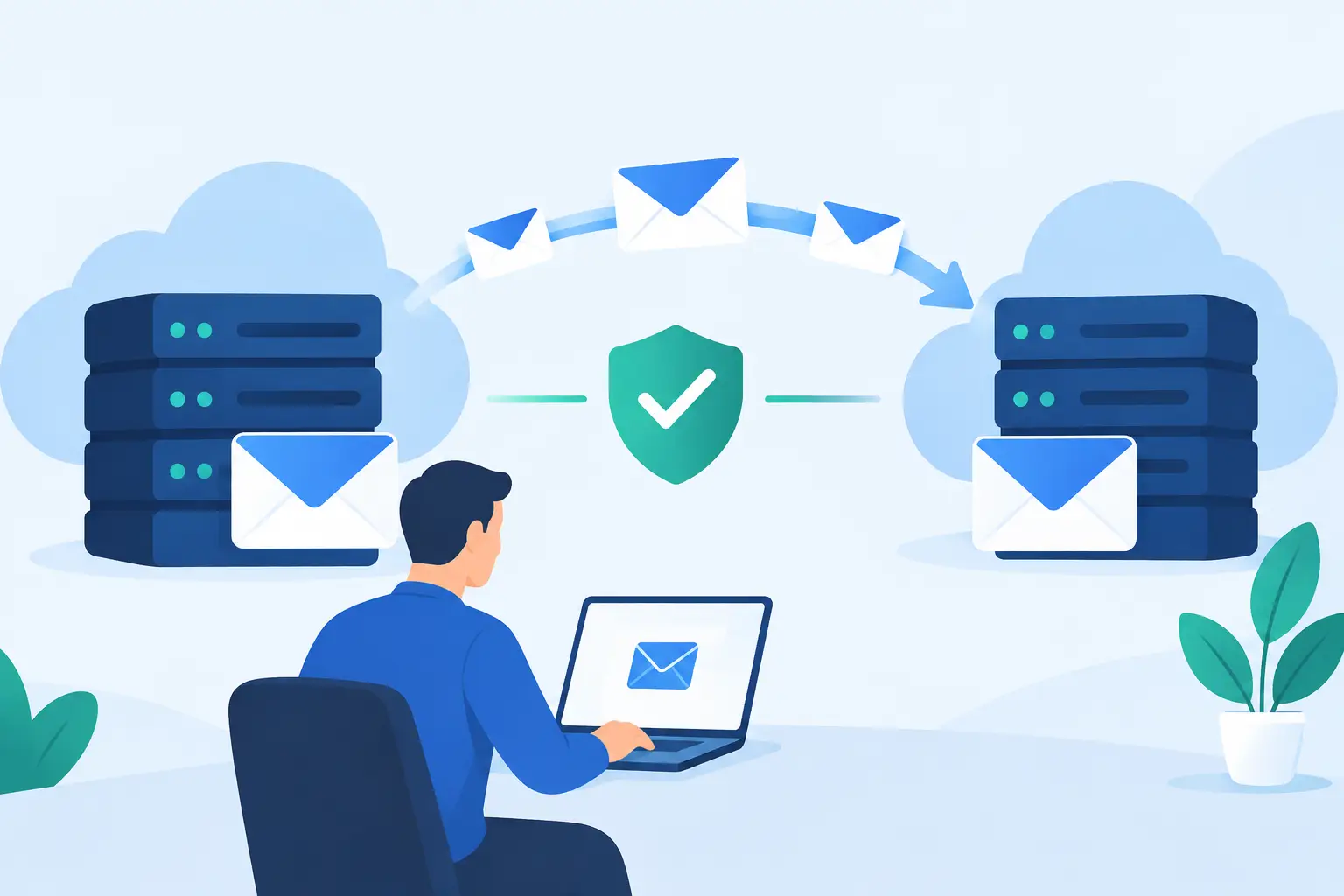
Cloud migration is not a one-size-fits-all process. The choice between public, private, and hybrid clouds, as well as single or multicloud deployments, depends on your unique requirements. For example, a financial services firm might require a private cloud for sensitive transactions, while leveraging public cloud resources for analytics and reporting. TechFusion architects solutions that balance agility, security, and cost efficiency.
Best Practices for Migration
Successful cloud migration is about more than moving data. It’s about choosing the right mix of services (IaaS, PaaS, SaaS) and designing secure, sustainable architectures. Following best practices, such as phased migration and testing, reduces risk and minimizes disruption. After migration, continuous optimization is crucial. Companies that migrate thoughtfully can reduce IT management time by up to 40% (PWC, 2023-01-01), freeing teams to focus on innovation.
Continuous Optimization and Improvement
Cloud transformation is an ongoing journey, not a one-time event. Once workloads are in the cloud, continuous monitoring and optimization are essential. This includes adjusting resources to match demand, implementing automation for routine tasks, and regularly reviewing security controls and compliance status. TechFusion’s managed services ensure that clients’ cloud environments evolve in step with their business needs, driving sustained growth.
The Cloud Growth Roadmap in Action
At TechFusion, we use our Cloud Growth Roadmap—a stepwise framework that guides clients from assessment through migration and beyond. We focus on:
- Defining business objectives first
- Mapping current and future technology needs
- Managing migration with minimal downtime
- Optimizing for cost, performance, and security
- Providing ongoing support and improvement
Our approach is collaborative and transparent, ensuring stakeholders are engaged and informed at every stage. This reduces the risk of project delays, cost overruns, and technical setbacks.
Hybrid and Multicloud Approaches: What Works in 2026
> Hybrid and multicloud strategies are becoming the norm in 2026, offering businesses flexibility, resilience, and cost control. By combining public, private, and multiple cloud providers, companies can optimize workloads, avoid vendor lock-in, and meet regulatory requirements. TechFusion helps clients architect the right mix for their unique needs.
Hybrid cloud means using both public (shared) and private (dedicated) cloud resources, while multicloud refers to using services from more than one cloud provider. These approaches are now standard because they let businesses pick the best features from each provider and reduce reliance on any single vendor.
The Evolution of Hybrid and Multicloud Strategies
By 2027, 90% of organizations are expected to run hybrid cloud environments (Gartner, 2025-01-01). This shift is driven by the need to balance security, compliance, and agility. Hybrid and multicloud models allow organizations to:
- Maintain sensitive data and critical workloads in private or on-premises clouds for maximum control
- Leverage the scalability and innovation of public clouds for less sensitive or highly variable workloads
- Distribute workloads across multiple providers to optimize for cost, performance, or geographic reach
Benefits of Hybrid and Multicloud Deployments
The key benefits include:
- Greater flexibility, scaling resources up or down as needed
- Increased resilience and business continuity, as workloads can failover between environments
- Better cost management, choosing the most efficient platform for each workload
- Easier compliance with industry regulations by keeping data in specific jurisdictions
- Enhanced bargaining power with providers, reducing risk of vendor lock-in
Addressing the Challenges
However, these strategies can be complex. Managing multiple environments increases the need for robust integration, monitoring, and security controls. TechFusion supports clients by designing architectures that integrate seamlessly, manage data flow, and maintain security across all environments. For example, a client in healthcare might keep sensitive patient data in a private cloud while using public clouds for analytics and collaboration. Our expertise ensures that hybrid and multicloud deployments are reliable, secure, and cost-effective.
Case Example: Hybrid Cloud in Action
Consider a retail company with global operations. By using a hybrid cloud, it can process transactions locally for speed and compliance, while leveraging public cloud resources for global inventory management and customer analytics. This approach supports real-time decision-making, reduces latency, and ensures data privacy across regions.
Controlling Cloud Costs and Maximizing ROI
> Effective cloud cost management is vital for maximizing ROI in 2026. Businesses should leverage pay-as-you-go pricing, monitor usage, and optimize workloads. TechFusion’s methodology ensures clear visibility into cloud spending and implements controls that prevent overspending while supporting growth.
One of the cloud’s greatest advantages is pay-as-you-go pricing—you pay only for the resources you use. But without careful management, costs can spiral. Over 20% of organizations lack clear insight into cloud cost allocation (CloudZero, 2024-01-01), leading to wasted spend.
Understanding Cloud Pricing Models
Cloud providers offer various pricing models, including on-demand, reserved, and spot pricing. On-demand pricing is flexible but can be expensive for steady workloads. Reserved instances provide discounts in exchange for long-term commitments, while spot instances allow businesses to take advantage of unused capacity at lower rates. Understanding and selecting the right model for each workload is key to optimizing spend.
Best Practices for Cost Optimization
To maximize ROI, businesses need strong cost controls:
- Use built-in monitoring tools to track usage and spending, such as AWS Cost Explorer or Azure Cost Management
- Regularly review workloads and shut down unused resources, preventing unnecessary spending
- Right-size virtual machines and storage to match actual needs, avoiding overprovisioning
- Take advantage of reserved and spot pricing when possible
- Implement tagging and cost allocation strategies to track spending by department, project, or application
- Set budgets and automated alerts for unusual activity or cost spikes
Cloud adoption reduces IT costs by 15-20% (Gartner, 2023-01-01), but only if managed well. At TechFusion, we use our cost control methodology to give clients full visibility into their cloud spending. We set up alerts for unusual activity, automate routine optimizations, and provide regular reporting so nothing slips through the cracks. Our clients often tell us that these practices free up budget for new projects and innovation.
Tools and Automation for Cost Management
Modern cloud platforms provide advanced tools for monitoring and managing costs. Automation can be used to scale resources up or down based on usage patterns, shut down non-essential systems outside business hours, and enforce policies that prevent overspending. TechFusion configures these tools for our clients, ensuring that cost control is proactive and aligned with business goals.
Security and Compliance in the Cloud: 2026 Essentials
> Security and compliance remain top priorities in 2026. Businesses must ensure data protection, regulatory adherence, and proactive threat management. TechFusion’s managed IT support integrates advanced security protocols, continuous monitoring, and compliance expertise to safeguard your cloud environment.
Cyber threats and regulatory demands have only grown more complex. In 2026, protecting sensitive data, ensuring secure access, and meeting industry compliance standards are non-negotiable for every business.
Key Security Challenges in the Cloud
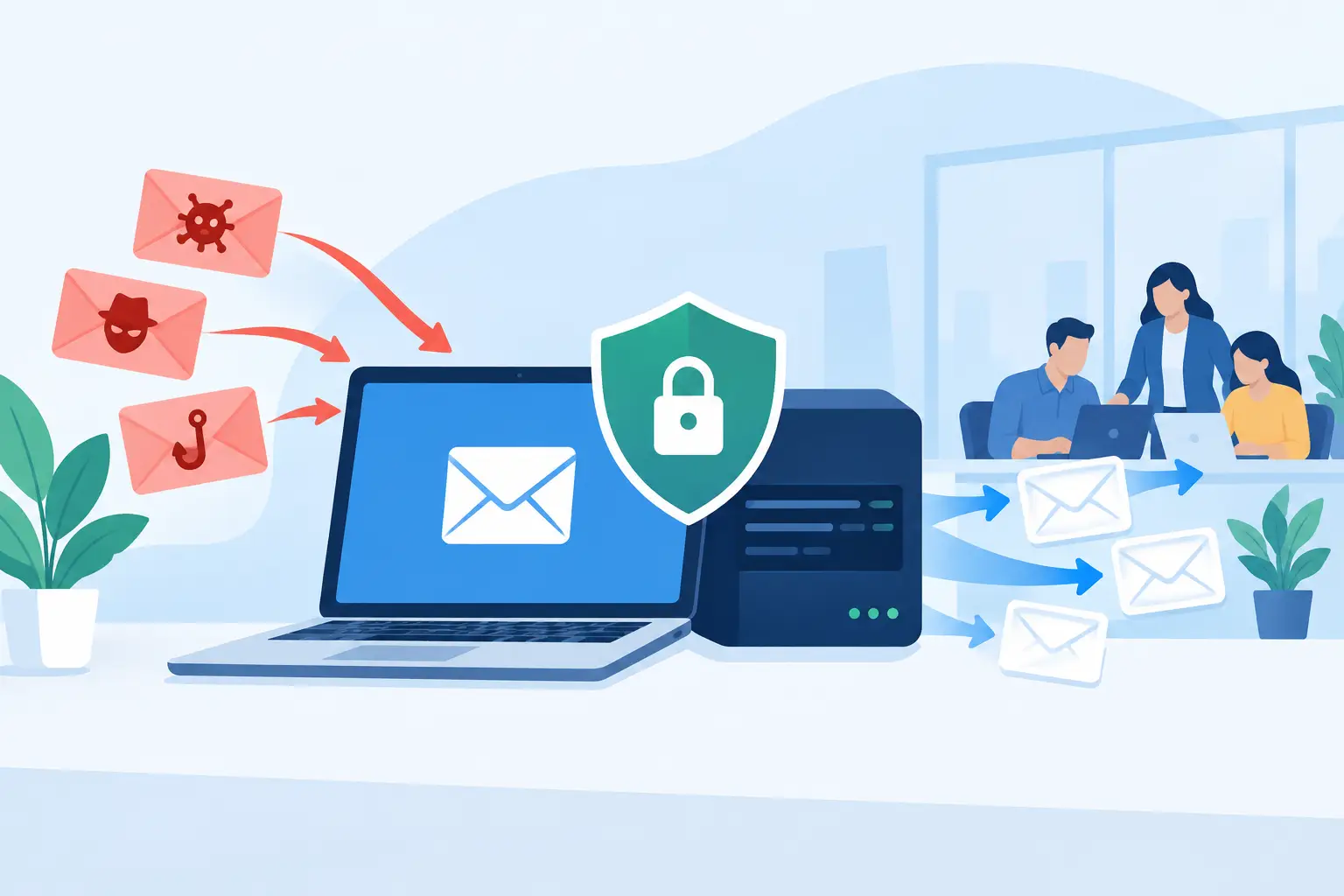
Common security concerns include unauthorized access, data breaches, and compliance violations. As cloud environments become more complex, the attack surface expands, making proactive risk management essential. Businesses must:
- Encrypt data at rest and in transit, ensuring that sensitive information is protected both in storage and during transfer
- Enforce strong access controls and authentication, such as multi-factor authentication and role-based access
- Regularly update and patch systems to address vulnerabilities
- Monitor environments continuously for threats using advanced security information and event management (SIEM) tools
- Conduct regular security audits and penetration testing to identify and remediate weaknesses
Compliance and Regulatory Requirements
Industries such as healthcare, finance, and government face strict regulatory requirements around data privacy and security. Regulations like GDPR, HIPAA, and PCI DSS mandate specific controls and reporting. Cloud providers offer compliance certifications and tools to help meet these requirements, but ultimate responsibility rests with the business. TechFusion assists clients in mapping regulatory requirements to cloud controls, conducting audits, and maintaining up-to-date documentation.
Managed Security Services
Our managed IT services at TechFusion are designed to address these challenges head-on. We integrate security best practices from day one, provide 24/7 monitoring, and help clients navigate complex compliance requirements. For clients in regulated industries like healthcare and finance, our experience means peace of mind and fewer security headaches. We also offer incident response planning and disaster recovery solutions, ensuring business continuity in the event of a breach or outage.
Emerging Trends: AI, Edge Computing, and the Future of Cloud
> AI workloads, edge computing, and serverless architectures are reshaping cloud services in 2026. Businesses benefit from faster analytics, smarter automation, and flexible infrastructure. TechFusion helps clients harness these trends to stay competitive and future-ready.
AI and machine learning workloads are now the main drivers of cloud spending growth in 2026 (CloudZero, 2024-01-01). Businesses use cloud-based AI for smarter automation, faster insights, and personalized customer experiences.
Artificial Intelligence and Machine Learning
AI and machine learning are no longer experimental technologies—they are mainstream drivers of business value. Cloud platforms offer scalable infrastructure for training and deploying AI models, enabling businesses to:
- Automate routine tasks and workflows, increasing efficiency
- Analyze large volumes of data for actionable insights
- Personalize customer interactions through recommendation engines and chatbots
- Detect anomalies and prevent fraud in real time
TechFusion works with clients to identify high-impact use cases for AI, select the right cloud tools, and implement solutions that deliver measurable results.
Edge Computing and Real-Time Analytics
Edge computing involves processing data closer to its source, reducing latency and enabling real-time decision-making. This is especially valuable for industries like manufacturing, logistics, and retail, where immediate insights can drive operational improvements. Cloud providers now offer integrated edge solutions that connect seamlessly with central cloud platforms, supporting distributed applications and IoT devices.
Serverless Architectures and Modern Development
Serverless computing allows businesses to run code without managing servers, reducing operational overhead and enabling rapid innovation. Developers can focus on building features rather than infrastructure, while businesses benefit from automatic scaling and pay-per-use pricing. Serverless is ideal for event-driven applications, microservices, and APIs.
Sustainability and Green Cloud Initiatives
Sustainability is an emerging priority for cloud providers and businesses alike. Leading providers are investing in renewable energy, efficient data centers, and tools to help clients measure and reduce their carbon footprint. TechFusion advises clients on sustainable cloud strategies that align with corporate social responsibility goals and regulatory expectations.
How TechFusion Supports Cloud-Driven Business Growth
> TechFusion, Inc. partners with businesses to deliver tailored cloud solutions, managed IT support, and ongoing optimization. Our client-first approach ensures every cloud initiative is aligned with your business objectives, delivering measurable growth, cost savings, and enhanced security in 2026.
At TechFusion, we know that no two businesses are the same. Our services are designed to fit your unique needs, whether you’re just starting your cloud journey or looking to optimize a mature environment. We offer:
- Managed IT support to keep systems running smoothly
- Cloud migration and transformation consulting
- Ongoing cost control and optimization
- Security and compliance management
Tailored Cloud Solutions
Our cloud solutions are never off-the-shelf. We take the time to understand your business, industry, and objectives, designing architectures and selecting services that deliver the best results. Whether you need high-availability systems for financial transactions, secure storage for healthcare data, or scalable platforms for e-commerce, TechFusion delivers solutions that fit.
Ongoing Optimization and Support
Cloud environments are dynamic, and continuous improvement is essential. We provide ongoing monitoring, performance tuning, and regular reviews to ensure your cloud investment continues to deliver value. Our proactive support model means we address issues before they impact your business, and our regular reporting keeps you informed and in control.
Enabling Innovation and Growth
By handling the complexity of cloud management, TechFusion frees your team to focus on innovation and strategic initiatives. We help you adopt new technologies, experiment with AI and automation, and scale your operations to meet changing market demands. Our goal is to be a trusted partner in your growth journey.
Our client-first approach means we listen first, act second. We measure our success by your business outcomes—growth, savings, and risk reduction. Clients rely on us not just for technology, but for the guidance that keeps them ahead in a fast-moving world. Learn more about our best medium & large business IT support services.
FAQ
What are the key cloud technology trends for 2026?
Key cloud technology trends for 2026 include the widespread adoption of hybrid and multicloud strategies, increased focus on security and compliance, the rise of AI and machine learning workloads, and the expansion of edge computing and serverless architectures. These trends are driving business growth, agility, and innovation.
What are the 7 types of cloud services?
The seven types of cloud services typically include Infrastructure as a Service (IaaS), Platform as a Service (PaaS), Software as a Service (SaaS), Function as a Service (FaaS), Storage as a Service, Database as a Service, and Security as a Service. Each offers unique capabilities for business needs.
How can businesses control cloud costs in 2026?
Businesses can control cloud costs in 2026 by leveraging pay-as-you-go pricing, monitoring usage with advanced tools, optimizing workloads, and partnering with managed IT providers like TechFusion who implement proven cost control methodologies and provide ongoing visibility into expenditures.
Why is a hybrid or multicloud approach important for business growth?
A hybrid or multicloud approach provides businesses with greater flexibility, resilience, and cost optimization. By combining multiple cloud environments, companies can avoid vendor lock-in, tailor solutions to specific needs, and ensure compliance and security across workloads, fueling sustainable growth.
How does TechFusion help businesses achieve cloud transformation?
TechFusion helps businesses achieve cloud transformation by delivering tailored strategies, managing migration, optimizing cloud environments, and providing ongoing managed IT support. Our client-first approach ensures every step aligns with business objectives, driving measurable growth and operational efficiency.
Conclusion
Knowing how to leverage cloud services to drive business growth in 2026 is no longer optional—it’s essential. With the right approach, cloud transformation unlocks agility, reduces costs, and positions your business for the future. At TechFusion, we provide the support, expertise, and practical guidance you need to navigate this landscape with confidence. Whether you’re planning your first migration, refining a hybrid strategy, or exploring AI and edge solutions, our team is ready to help you turn technology into measurable results. Let’s build the future, together.
Written by Bryce Ayers, Support Engineer